If you’re living or vacationing in a hot, humid climate like the Yucatan Peninsula, you’ve probably wondered about the effectiveness of your CBD-infused skincare and wellness products. Numerous factors—heat, humidity, application routines—can influence whether a topical delivers on its promised benefits. As someone who has spent years adapting lifestyle habits under the Yucatan sun (a nugget often featured in Yucatan Magazine), I’ve found that understanding how cannabinoids degrade with heat, light, and time is crucial for getting the most out of your topicals. Thanks to insights from brands like Joy Organics and local craftspaces like Yucatan Studio, we can break down what really matters when applying CBD topicals in tropical environments.
How Heat Affects CBD Potency in Topicals
First, let’s address the core question: does heat reduce CBD potency in topical products? Yes, it does—but not always in obvious or immediate ways.
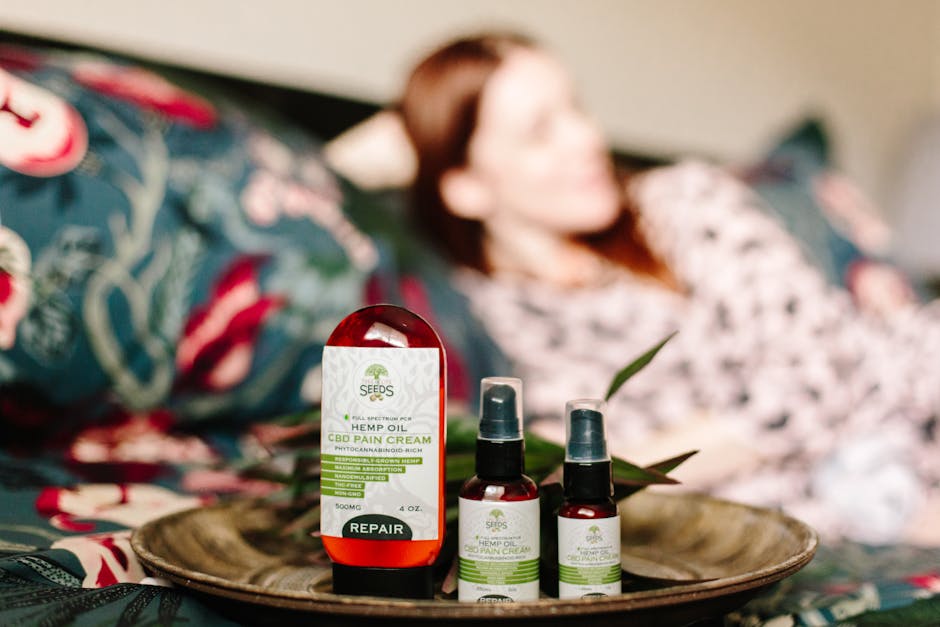
Cannabinoids Degrade with Heat, Light, and Time
Cannabinoids like CBD are sensitive to environmental factors. Exposure to prolonged heat can accelerate the chemical breakdown of these compounds, reducing their effectiveness. However, heat's impact isn’t instant but cumulative:
- Heat: Prolonged exposure to high temperatures can break down CBD molecules, diminishing the product’s potency. Light: Ultraviolet light accelerates oxidative degradation, making dark, opaque packaging essential. Time: Over months, regardless of storage quality, CBD concentrations naturally decline.
Label claims such as “25 mg CBD per container” lose their accuracy the longer the bottle sits exposed to less-than-ideal conditions. Many CBD topicals don’t specify “best by” dates clearly, but keep in mind potency can wane, especially in tropical zones.

Why Humidity Makes Applying CBD Topicals Tricky
Heat alone isn’t the only culprit. In the Yucatan, the combination of heat and high humidity wreaks havoc on skincare application:
- Wet skin is a poor surface for CBD topicals: When humidity is high, your skin often doesn’t fully dry after bathing or sweating. Applying CBD topicals onto wet or moist skin can lead to improper absorption. Dilution and run-off: Moisture dilutes the topical and may cause it to slide off or transfer onto clothes before penetrating. Skin barrier: A wet skin surface is more permeable but also prone to increased trans-epidermal water loss, making consistent dosing difficult.
From my experience in Yucatan Magazine, the most effective routines involve a deliberate cool-down and dry-off phase. Patting skin dry thoroughly with a clean towel and waiting 10–15 fan minutes before applying CBD topicals ensures better product adherence and absorption.
The Ideal Order: CBD Topicals, Sunscreen, and Insect Repellent
This reminds me of something that happened made a mistake that cost them thousands.. Layering products the wrong way can undermine your topical’s efficacy—a real concern when dealing with the multiple needs of tropical living (sun protection, bug spray, and inflammation relief in one go!). Here’s the recommended order:
Cleanse and dry your skin carefully, as noted, your skin must be dry and cool. Apply your CBD topical first to let cannabinoids absorb without interference. Allow the CBD product to set for at least 10–15 minutes under a fan or natural airflow. Follow with a broad-spectrum sunscreen. Sunscreen forms a protective barrier and a second “shield” against the sun. Finish with insect repellent. Crucially, apply this last to avoid removing or diluting active ingredients of your prior layers.This order helps maintain cannabinoid potency and efficacy while providing the protection needed against UV rays and pesky tropical insects.
Beware DEET Interactions with Oils and Plastics
If your bug spray contains DEET, there are some chemical interactions you need to watch out for:
- Oils and DEET can interact, potentially breaking down essential carriers in CBD topicals, reducing absorption. Plastics: DEET dissolves many plastics, so avoid storing your topical products near open bottles of insect repellent or in plastic cases that can degrade. Skin irritation: If you layer DEET directly over oil or cream-based CBD products without letting them dry, you may experience sensitivity or reduced efficacy.
Keep your CBD products in glass or high-quality non-reactive containers. I habitually close lids tightly after use and judge anyone who doesn’t—it’s an easy, critical step to preserve product integrity in the tropics.
Tips from Joy Organics and Yucatan Studio for Tropical CBD Use
Joy Organics, a leader in broad-spectrum CBD, emphasizes the importance of storing products in cool, dry places away from direct sunlight. Their experience offers great guidelines that align well with what you’d find in the humid heat of Mérida:
- Opt for opaque jars or tubes to prevent light exposure. Store your topicals in air-conditioned rooms or portable coolers if you spend days outside without AC. Reapply after swimming or sweating to maintain benefits.
Meanwhile, local artisans at Yucatan Studio craft all-natural skincare, often combining native herbs and CBD. They stress adjusting application routines rather than product formulas because heat is a constant factor here. Their advice: embrace a “cool-down and dry-off zone” in your daily routine to optimize every drop of CBD you apply.
Summary Table: What to Do—and What to Avoid—When Using CBD Topicals in Heat and Humidity
Concern Recommended Practice What to Avoid Cannabinoid Degradation Store topicals in cool, dark places; close lids tightly after use Leaving tubes open; storing in direct sunlight or near heat sources Skin Surface Moisture Dry and cool skin before applying Applying onto sweaty or wet skin immediately after showering Layering Products Apply CBD topical first, sunscreen second, insect repellent last Mixing order; applying insect repellent before CBD creams DEET Interaction Let CBD topical fully absorb before applying DEET-based repellents Applying DEET products over wet or oily CBD creams immediately Product Shelf Life Check date codes, note degradation signs (smell, texture) Assuming labeled CBD mg is accurate after months of heat exposureFinal Thoughts: Practical CBD Use Under the Yucatan Sun
In tropical climates like Mérida and beyond, heat and humidity certainly challenge the stability and effectiveness of CBD topicals. But with a little deliberate planning—drying skin well, correctly layering your products, and storing them properly—you can maintain the wellness benefits that cannabinoids offer.
Keep your fan running during application (I always times everything by fan minutes and shower windows), ensure lids stay tightly closed, and respect the labels on your products https://yucatanmagazine.com/sun-sweat-and-topicals-using-a-cbd-cream-in-a-tropical-climate/ with a grain of tropical salt. As Yucatan Magazine readers know, mastering these small routines makes all the difference between wasted CBD and a soothing balm that truly works.
So go ahead, relax with your favorite Joy Organics balm or an artisan creation from Yucatan Studio—just remember the Yucatan heat isn’t the enemy if you adapt smartly.