If you're a bassist who's experiencing forearm tightness after sets, you're far from alone. Nine years spent on the road, helping bands load in, and watching both musicians and crews nurse similar aches has shown me that forearm discomfort is less https://bizzmarkblog.com/why-does-my-patience-disappear-on-tour/ about "pushing through it" (which I absolutely abhor as advice) and more about understanding the mechanics and repetitive stresses of touring. In this post, we'll break down why your forearms might burn after playing, especially bass, and explore practical, proven strategies you can adopt between shows to heal, prevent further strain, and perform at your best.
The Root Causes of Forearm Tightness for Bassists
Bass playing is a physically demanding act, even though it often feels less flashy than lead guitar. The constant plucking, fretting, and rhythmic locking impose continuous stress on your forearm muscles and tendons. Couple this with the repetitive strain from load-ins, van travel, and travel fatigue, and it’s a recipe for tight, burning muscles at minimum.
Load-In Injuries and Safe Lifting Techniques
One major contributor to forearm tightness — rarely discussed in music circles — is load-in injuries. When you're lugging amps, cabinets, and pedalboards, poor lifting form can cause unnecessary strain on your forearms, wrists, back, and shoulders. I keep a mental list of venues with broken elevators, and unfortunately, stairs are a constant in our business. Hunching over heavy gear or gripping too tightly to haul your bass case upstairs stresses the forearms unnecessarily. Here are some tips for safe lifting:
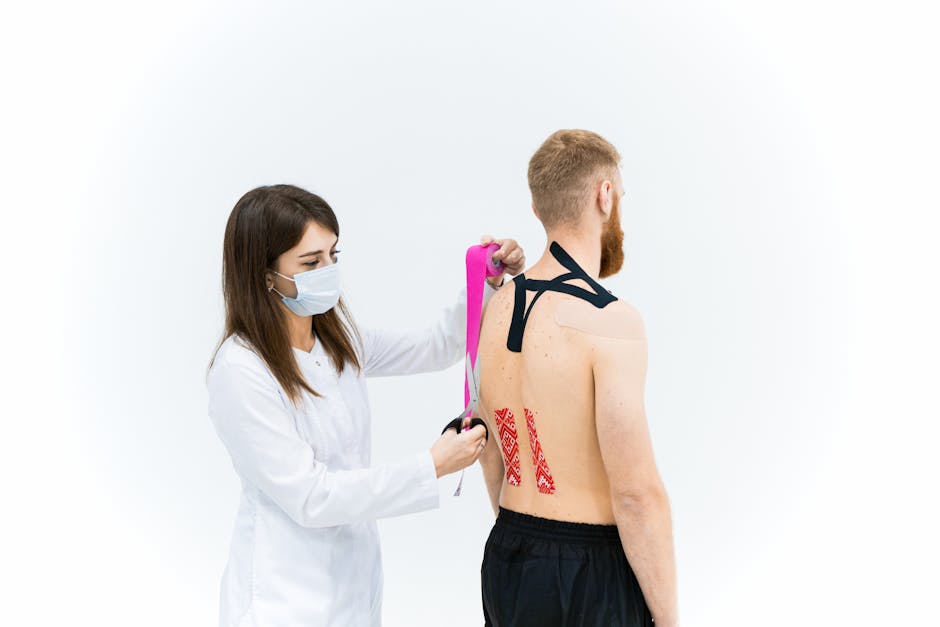
- Engage your legs: Bend your knees, not your back, and lift using leg strength rather than arm pull. Use good grips: Use gloves or grip-enhancing pads if your hands slip. Less compensatory gripping = less forearm strain. Limit extremes: Don’t overload a single trip with equipment beyond what you can comfortably handle. Kinesiology tape: Applying kinesiology tape to your forearms before load-ins can provide extra proprioceptive support and decrease muscle fatigue.
After a long load-in involving heavy lifting, it’s essential to apply topical anti-inflammatory remedies. Personally, I prefer to use Joy Organics topical CBD products. Their plant-based formulas aid in soothing sore muscles and speeding recovery without the drowsiness or odor of traditional balms.
Instrument-Specific Repetitive Strain
Bassists repetitively activate wrist and forearm muscles differently than guitarists. Constant plucking (whether fingerstyle, pick, or slap) involves intense repetitive contractions of the flexors and extensors in your forearm. Small muscles in the hand and wrist take a beating, too, especially with aggressive styles. Over time, this leads to:
- Microtears and inflammation in the tendons and muscles Accumulation of lactic acid resulting in burning sensations Fatigue that reduces fine motor control and endurance
To counteract this, simple wrist stretches and mobility exercises between sets and shows can make a world of difference:
Wrist flexor stretch: Extend your arm palm up, gently pull your fingers back with the other hand to feel a stretch on the underside of the forearm. Wrist extensor stretch: Extend your arm palm down, gently pull fingers back to stretch the top side of the forearm. Forearm pronation/supination: With elbow bent at 90°, rotate your palm up and down slowly to promote circulation. Finger spreads: Open your fingers wide and release to maintain hand dexterity.Perform these stretches every couple of hours when possible, especially during load-ins, soundchecks, or transit downtime.
Van Travel Stiffness and Circulation
Van life isn’t glamorous. Hours spent cramped in a van seat leads to significant stiffness in your forearms and wrists. Without movement, circulation slows, muscles tighten, and inflammation can increase.
Before and after travel, try using a lacrosse ball for self-myofascial release:
- Press the lacrosse ball gently into your forearm muscles on a table or your leg, rolling back and forth to relieve tight bands. Focus on spots that feel knotted or particularly tender. Don’t apply painful pressure—gradual pressure is key.
This technique helps break up adhesions in fascia around muscles, encouraging blood flow and flushing waste metabolites that contribute to burning sensations.
Hydration and Circulation: The Often Overlooked Duo
One of my biggest bugs is when musicians skip water during the day then decry "getting sick on tour." Staying hydrated supports circulation and nutrient delivery to muscles, essential in flushing toxins and repairing micro-injuries. Always keep a reusable water bottle handy and sip regularly, even when you're busy or it's cold.
Sleep Debt and Adrenaline Timing
Finally, tour life disrupts your natural timing in ways that can exacerbate aches and pains. Losing sleep or operating on inconsistent schedules causes:
- Increased muscle tension: Your body won’t relax fully without rest. Altered pain perception: Sleep debt can heighten your sensitivity to discomfort. Adrenaline spikes: During performance, adrenaline masks pain, but once adrenaline fades post-show, accumulated soreness hits hard.
Between sets and nights, prioritize:
- Restorative naps or quiet downtime to mitigate cumulative fatigue Proper sleeping posture—avoid curling hands into stiff fists under pillows Gentle stretching as adrenaline tapers off, to prevent muscles hardening up Topical aids after load-outs—such as Joy Organics’ convenient topical application—to soothe overnight
Summary Table: Quick Strategies for Forearm Care on Tour
Problem Cause Between Shows Solution Helpful Tools/Products Forearm tightness after load-in Poor lifting form, gripping gear too hard Use proper lifting techniques; kinesiology tape for support; apply topical anti-inflammatories Kinesiology tape, Joy Organics topical CBD balm Repetitive strain from bass playing Repeated plucking, wrist flexion/extension Perform wrist stretches and mobility exercises frequently None required but keep consistent routine Stiffness from van travel Prolonged sitting, poor circulation Use lacrosse ball for self-massage; walk/stretch during breaks Lacrosse ball General muscle soreness post-show Sleep debt, adrenaline crash Prioritize quality sleep, gentle stretching, hydration, topical soothing Water bottle, Joy Organics topical balmFinal Thoughts
Your forearms aren’t just tools for playing—they’re hardworking muscles subject to dozens of daily stresses on tour, from heavy lifting to cramped travel to hours stretching at gas stops of playing. Understanding the boring but critical causes of forearm tightness will help you treat and prevent it in smart ways rather than relying on macho “push through it” mentalities that often just lead to injury.
By integrating safe load-in habits, instrument-specific stretches, circulation-promoting self-care, and strategic rest paired with quality topical aids like those offered by Joy Organics, you can reduce burning sensations and keep your hands ready to rock show after show.
Remember: touring is manual labor dressed in glam, so treat your body with respect and practical care. Your forearms will thank you.
