In football, especially at the grassroots and lower-league levels, there’s a stubborn culture of toughness. Veterans with dodgy knees are often applauded for "playing through the pain," but how helpful is that really? As a former semi-pro footballer turned MSK physio assistant with over a decade around changing rooms and physio bays, I’ve seen firsthand how this approach often leads not to glory, but to chronic pain and knee problems down the line.
This blog post explores what football clubs can do beyond empty praise — how they can actively change club culture to encourage honest pain reporting, support older players with bad knees, and promote smarter, evidence-informed knee care. We’ll cover:
- The entrenched football culture and stigma around reporting pain Long-term knee outcomes veterans face, like osteoarthritis and persistent pain Why knees fail: imperfect healing, cumulative loading, and central sensitisation How active rehab with graded exercise and strengthening can help Practical pathways including UK Anti-Doping (UKAD) guidance and medical cannabis options
Football Culture and the Stigma Around Reporting Pain
Let's not beat around the bush: football culture, especially in lower leagues, often glorifies "playing through pain." Veterans with bad knees get a pat on the back for "gritting it out," but this unwittingly creates a barrier for players to openly admit when something is wrong.
Several negative consequences arise from this culture:
- Under-reporting injuries: Players are reluctant to report pain fearing they'll be seen as weak or risk losing their spot. Lack of timely treatment: Delayed assessment means that minor knee issues can worsen and become chronic. Pressure to perform despite pain: Coaches or teammates sometimes implicitly encourage playing injured.
To truly support older players with bad knees, clubs need to change this culture. This means:
Creating an environment where honest communication about pain is welcomed, not punished. Training coaches to understand that pain reporting is a sign of self-care, not weakness. Recognising veteran players as assets who need tailored support rather than toughening up.Long-Term Outcomes: Osteoarthritis and Persistent Pain
If knee pain in veterans is ignored or just "played through," the consequences aren’t limited to short-term discomfort. Years down the line, many ex-players suffer from:
- Osteoarthritis (OA): Damaged cartilage and joint surface wear leading to stiffness, swelling, and pain. Persistent or chronic pain syndromes: Pain that persists even after tissues have (mostly) healed. Reduced mobility and quality of life: Difficulty walking, climbing stairs, or continuing physical activity.
Studies have shown that former footballers have significantly higher rates of knee osteoarthritis compared to the general population, particularly those with a history of injuries and surgeries. While some degeneration is inevitable with age and previous high-impact load, many factors are modifiable with the right approach.
Why Do Knees Fail? The Mechanisms Behind Persistent Problems
Understanding the "why" helps clubs support their players meaningfully. Here are the main mechanisms that contribute to long-term knee issues:
1. Imperfect Healing
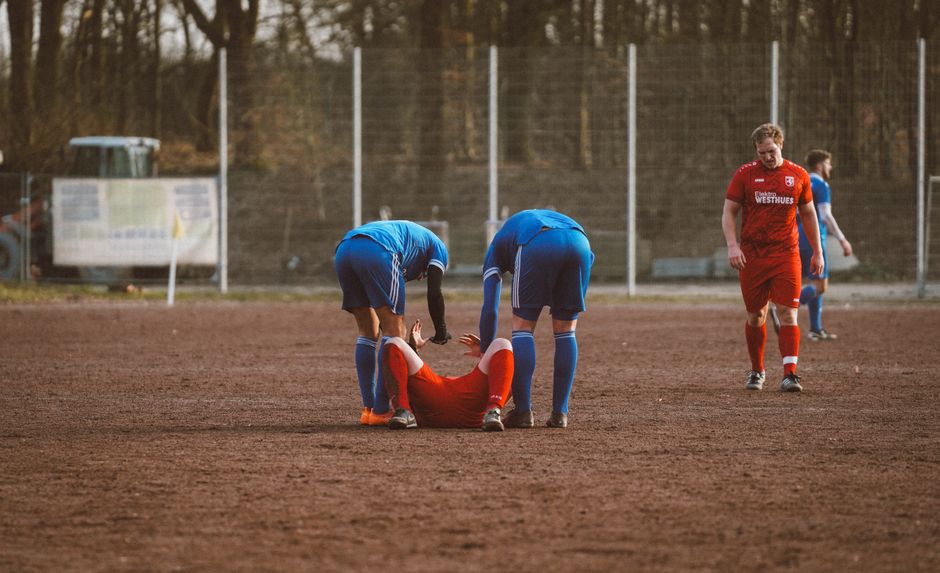
Injury doesn't mean an instant bounce-back. Cartilage damage and ligament tears heal slowly and often imperfectly, leaving the knee with structural weaknesses. This https://www.pieandbovril.com/general/from-the-terraces-to-the-physio-room-how-football-deals-with-chronic-pain incomplete repair makes the joint more vulnerable to further damage and pain.
2. Cumulative Loading
Football involves repetitive impacts—cutting, jumping, tackling—which, over years, wear down knee structures like cartilage, menisci, and ligaments. Even without a dramatic injury, this loading accumulates microtrauma that leads to degeneration.
3. Central Sensitisation
Sometimes the problem goes beyond just the knee joint. The nervous system can become "sensitised" after prolonged pain, meaning the brain 'amplifies' pain signals. This explains why some players feel persistent, disproportionate pain even when imaging looks okay.
Changing club culture means understanding these mechanisms and addressing them proportionally, rather than brushing pain under the carpet.
Active Rehab: Graded Exercise and Strengthening — The Real MVP
Forget vague advice like “just rest it” — resting a dodgy knee for months won’t fix the underlying problems and often makes muscles weaker, which actually worsens instability and pain. The best approach includes:. That said, there are exceptions
- Graded exercise: Starting with gentle movement and gradually increasing load, helping to rebuild confidence and knee tolerance. Strengthening: Targeted exercises for quadriceps, hamstrings, hip abductors, and calves to create better joint support. Improved neuromuscular control: Balance and proprioceptive work to reduce risk of further injury. Education: Helping players understand pain mechanisms so they don’t catastrophize and avoid activity unnecessarily.
Compliance is key. Clubs should keep rehab simple and consistent — players are more likely to stick to routines they understand and can fit into their lifestyle.
Encouraging Assessment and Support Pathways
Early assessment is essential. Clubs can:
Invite physiotherapists or MSK specialists to assess veteran players regularly, not only after they’ve been hurt. Create clear referral pathways for advanced diagnostics (MRI, ultrasound) when indicated. Use standardised tools to monitor pain and function over time. Offer education sessions explaining long-term outcomes and rehab options.Here's what kills me: for players interested in alternative management strategies, clubs should be aware of current guidance and practical pathways:
Tool/Resource Description Link/Notes UK Anti-Doping (UKAD) Medical Cannabis Guidance Guidance for athletes who consider medical cannabis products, outlining testing, legality, and therapeutic use. https://www.ukad.org.uk/medical-cannabis Private Clinic Pathways for Medical Cannabis Some private clinics offer medical cannabis prescriptions for chronic pain, subject to GP referral and thorough assessment. Ensure players consult trusted practitioners and review UKAD compliance.It’s crucial that clubs don’t just leave players to navigate these options alone, especially given the complex doping rules involved — educating them and providing honest support makes all the difference.
Supporting Older Players: Practical Steps for Clubs to Adopt
Here’s a straightforward checklist clubs should consider implementing to support veterans with bad knees beyond hollow praise:
Change the narrative: Promote openness about pain and recovery, not just toughness. Regular screenings: Schedule routine physical assessments for veteran players. Rehab integration: Invest in accessible physiotherapy and rehab services with clear, simple plans. Education sessions: Host talks demystifying knee pain, healing, and pain neuroscience. Individualised support: Recognise that no two knees are the same; tailor rehab accordingly. Signpost legal therapies: Inform players about UKAD-legal options and carefully managed medical cannabis if relevant. Mentor programs: Pair younger players with veterans who have successfully managed knee problems to foster peer learning.Conclusion
Praising veterans with bad knees for simply "playing on" is a nice soundbite but doesn’t get to the root of the problem. Football clubs have a real duty to change culture, encourage honest assessment, and invest in active rehab to support their older players.
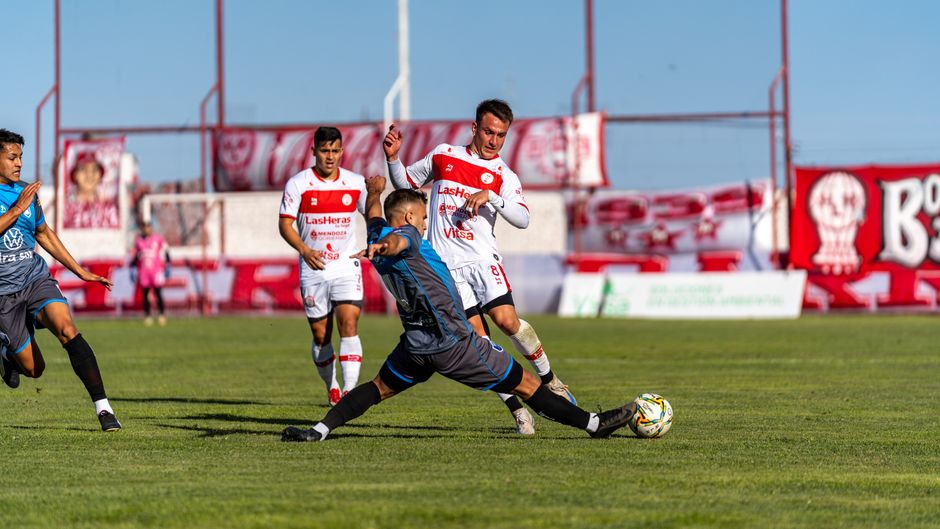
By understanding the mechanisms behind persistent knee pain, promoting graded exercise and strengthening, and navigating emerging medical options with care and clarity, clubs can help veterans maintain their quality of life long after their last whistle blows.
It’s time to get real with knee pain in football — and actually do something useful about it.
```