If you’ve ever scrolled through esports marketing decks or caught the latest Twitch stream ad breaks, you’ve probably noticed a familiar pitch: CBD as a secret weapon for gamers, athletes, and anyone chasing peak performance. Companies like Joy Organics push narratives where cannabidiol (CBD) feels less like a calming wellness aid and more like a competitive edge. But what’s really behind these claims? And how do they stack up against the actual science and regulations?
Understanding CBD Basics and the THC Distinction
First off, a quick primer on what CBD is—and what it isn’t. CBD is one of many cannabinoids found in the cannabis plant, but unlike THC (tetrahydrocannabinol), CBD is non-intoxicating. So no, it doesn’t get you “high.” That’s a crucial differentiation because THC remains federally illegal in the U.S., except in trace amounts.
CBD products typically come from hemp plants bred to CBD isolate vs full spectrum contain less than 0.3% THC by dry weight. This is no accident but a legal threshold codified in the 2018 Farm Bill, which legalized hemp-derived products that meet this limit. Why 0.3%? Because it’s low enough to avoid psychoactive effects but technically measurable by lab instruments.
When you hear Joy Organics or other brands underscore “THC-free” or “less than 0.3%,” they’re highlighting compliance with this legal cut-off—not necessarily promising superior effects.
Hemp Legality and the 0.3% THC Threshold
The 0.3% THC threshold is a kind of sweet spot where hemp products operate legally but also safely, without risking psychoactive effects or federal prosecution. The FDA oversees aspects of CBD legality too, especially on labeling, ingredient safety, and marketing claims.
However, despite clear rules about THC content, the FDA has not approved CBD as a dietary supplement for general wellness, aside from one pharmaceutical product treating epilepsy. This regulatory landscape means many CBD brands operate in a gray area, using vague performance claims because strong, standardized clinical evidence remains scant.
How Strong is the Evidence Behind CBD’s Uses?
The real question esports managers, gamers, and supplement-savvy consumers should ask is: what does science truly show about CBD’s effects on anxiety, sleep, and performance?
CBD and Anxiety: The Most Robust Data
Among common CBD claims, anxiety reduction has the strongest clinical basis. Several smaller-scale studies and anecdotal reports suggest CBD may help blunt anxiety symptoms, likely by interacting with serotonin receptors. However, effective dosages tested are usually in the range of 300-600 mg per day—much higher than what most gummies or oils offer in a single serving.
CBD for Sleep: Mixed Results and Placebo Effects
Sleep benefits are often touted, but the evidence is mixed. Some users report falling asleep faster or feeling less restless, but large randomized controlled trials are still missing. Effects might also depend strongly on individual biochemistry and the presence of other sleep-supporting ingredients like melatonin or magnesium.
CBD Performance Claims: Not So Clear-Cut
Here’s where CBD advertising gets murky. Whether it’s esports pros, CrossFit athletes, or weightlifters, many brands imply that that CBD improves reaction times, reduces recovery times, or boosts concentration. Unfortunately, current scientific literature does not support these claims robustly.
You know what's funny? the world anti-doping agency (wada) removed cbd from its list of prohibited substances in 2018, allowing athletes to use it legally. However, WADA also highlights that THC and other cannabinoids remain banned during competitions due to their potential psychoactive effects. This legal nuance sometimes fuels marketing claims about CBD’s “safe and legal performance edge,” but without backing clinical data.
Dosing Mismatch: Gummies Versus Research
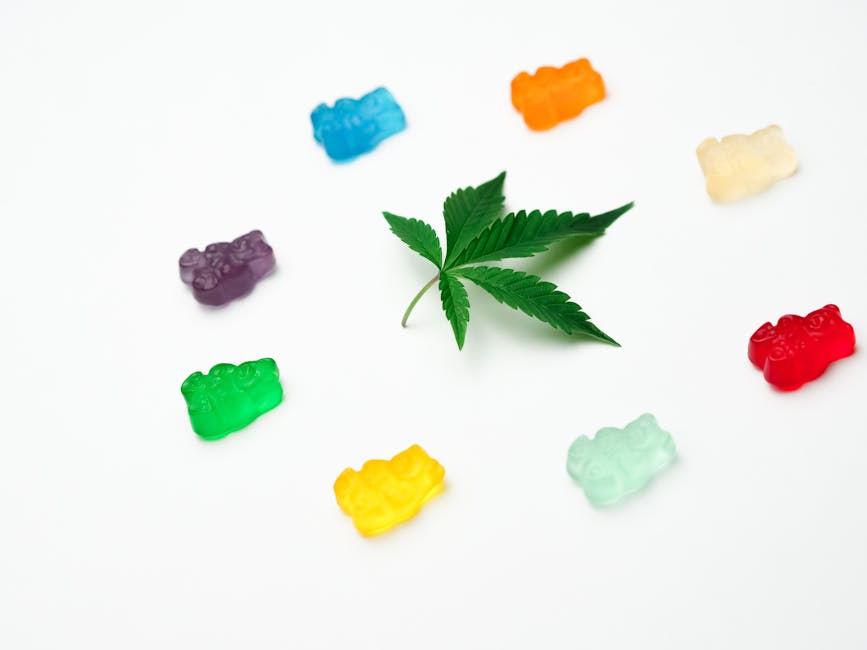
If you look at the popular CBD gummies and oils marketed in esports circles, you’ll often find doses of 10-25 mg per serving. This is a convenient, easy-to-consume dose but is dwarfed by amounts used in clinical research.
Use Case CBD Dose in Studies Typical Gummy Dose Notes Anxiety 300–600 mg per day 10–25 mg per serving Research doses 12–60x higher than gummies Sleep 40–160 mg per day (varies widely) 10–25 mg per serving Doses in research often combined with other interventions Performance Little to no controlled dosing studies Varies No clear evidence for “performance enhancer” doseThis dosing mismatch means that while an esports marketing deck might boast glowing reviews and hype about “taking your game next level,” the average gummy likely delivers too little CBD to replicate clinical effects seen in trials.
Skeptical Supplement Advice: What Should Gamers Look For?
As someone who’s seen countless supplement debates rage on Discord—especially in sleep stack channels grazing through melatonin, magnesium, and CBD—I’ve learned to bring a healthy dose of skepticism to these marketing narratives. Here are some tips if you’re considering CBD for yourself:
Always check the batch lab report. Third-party testing for CBD content and THC levels confirms that what you’re getting matches the label—and legal limits are met. Beware of “full spectrum” claims that suggest strength; full spectrum means trace THC is present, not necessarily that it’s “stronger.” Ignore vague “science says” statements without citations. Ask for direct links to clinical studies or FDA assessments. If a company hypes performance benefits with no real data, consider that a red flag. Mind drug interactions. CBD can affect the metabolism of other medications, potentially causing unintended effects. Be realistic about dosing. Don’t expect a 20 mg gummy to deliver clinical-level anxiety relief or performance boost based on current research. Watch for compliance. Although WADA allows CBD, THC remains banned, so athletes need to be cautious about full spectrum products. Prioritize trusted brands. Joy Organics, for example, offers transparent testing and a reputation for producing compliant, consistent CBD products—better than unknown labels.Final Thoughts: CBD as a Wellness Tool, Not a Magic Bullet
CBD’s rise in esports marketing decks https://smoothdecorator.com/why-does-cbd-hit-some-people-and-do-nothing-for-others/ is understandable. It taps into players’ desires to find that “secret sauce” that can calm nerves, improve sleep, and sharpen focus. However, the science supporting CBD’s direct performance-enhancing effects remains weak to nonexistent. Most clinical research centers on anxiety treatment at much higher doses than sold in typical gummies.
Regulators like the FDA keep a close eye on unsubstantiated claims and require companies to walk a legal tightrope between promising results and offending laws. The World Anti-Doping Agency has decriminalized CBD for competitors, but that doesn’t equate to validated performance benefits.
In short, the “competitive edge” narrative is more marketing hype than scientific fact. Consider CBD a part of a broader wellness toolkit—not a standalone cheat code.
This reminds me of something that happened learned this lesson the hard way.. When in doubt, prioritize transparency, verify lab results, and keep your expectations in check. Your supplement stack deserves nothing less.