If you’ve ever watched an esports stream, fitness vlog, or wellness podcast, you’ve likely heard sponsorship reads praising CBD products from companies like Joy Organics. The tone is always positive: “CBD helps me relax” or “CBD supports my recovery.” But have you noticed something odd? These reads rarely, if ever, tell you how much CBD you should take. Why is that? Today, we’ll unpack the mystery behind the persistent CBD dosing gap in sponsorships, delve into the science and regulation behind CBD and THC, and examine the mismatch between clinical studies and the typical 10-25 mg gummy dose you see in stores.
Understanding CBD Basics and THC Distinctions
First, let’s clarify what CBD even is. CBD (cannabidiol) is a chemical compound derived from the cannabis plant, known for its potential calming, anti-inflammatory, and neuroprotective effects. Unlike THC (tetrahydrocannabinol), the psychoactive compound in marijuana, CBD does not produce a “high.”
This distinction is critical not only for consumer expectations but also for legal reasons. The FDA distinguishes between CBD and THC because THC is still federally illegal unless prescribed for specific medical uses. Meanwhile, CBD derived from hemp is legal federally under the 2018 Farm Bill, provided it stays below a 0.3% THC threshold.
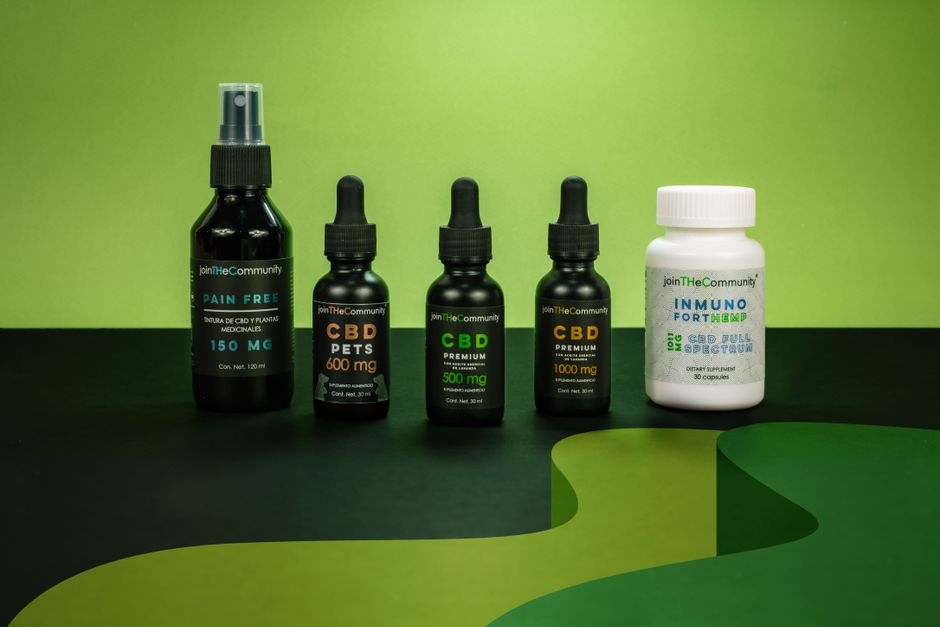
The 0.3% THC Threshold and Hemp Legality
The 0.3% THC threshold is a magic number drawing a clear line between hemp (legal) and marijuana (largely illegal federally). CBD products from hemp plants meeting this limit qualify as legal. However, crossing this threshold—even slightly—can change the legal status dramatically, causing confusion and hesitation in how companies market their CBD products.
What the Evidence Says: Anxiety, Sleep, and Performance
One reason you don’t hear specific dosage instructions in sponsor reads is simply because the evidence surrounding CBD’s benefits and dosing isn’t clear-cut. The research landscape is still evolving.
- Anxiety: Studies suggest CBD can reduce anxiety at doses ranging from 300 to 600 mg per day. For example, a landmark study used 600 mg doses to observe reductions in social anxiety symptoms. Sleep: Sleep benefits are reported but inconsistent. Some studies use 160 mg or higher, yet some users claim benefits at much lower doses. Sleep science remains complex and subjective. Performance: This is the area with the least evidence. The World Anti-Doping Agency (WADA) has removed CBD from its prohibited list, but clinical support for performance enhancement is weak and doses tested tend to be higher than what you find in consumer products.
The problem? Most gummies deliver between 10 and 25 mg of CBD each. This gummy dose is orders of magnitude lower than the clinical study doses of 300 to 600 mg, meaning that typical supplementation in the real world may not reach the levels seen as effective in trials.

The CBD Dosing Gap: Clinical Studies vs Consumer Products
Context Common Study Dose (mg) Typical Consumer Gummy Dose (mg) Difference Factor Anxiety Research 300 - 600 mg 10 - 25 mg 12 - 60 times lower Sleep Studies 160 - 600 mg 10 - 25 mg 6.4 - 60 times lower Performance (Limited) Unclear, often >100 mg 10 - 25 mg 4 - 10+ times lowerConsumers buying joy-organics gummies or other branded products are usually ingesting a fraction of what's been studied clinically. This discrepancy poses a challenge for sponsorship reads and marketing claims. How do you confidently endorse “effective” dosing when the packets themselves deliver less than the amount used in evidence-backed trials?
Why Sponsorship Reads Play It Safe on Dosing
Here are the key reasons you never hear detailed CBD dosing in those upbeat sponsor segments:
Regulatory Ambiguity: The FDA’s ongoing regulatory scrutiny has left companies cautious. Specific dosing claims verge on “drug claims,” which require FDA approval. Talk of “take 300 mg for anxiety” borders on medical advice, something CBD producers carefully avoid. Individual Variation: CBD effects vary widely based on body weight, metabolism, and individual biochemistry. Generalizing doses risks overpromising or encouraging unsafe use at higher levels. Product Potency Variability: Lab testing discrepancies between batches make fixed dosage statements risky. Companies like Joy Organics verify potency per batch, but slight variances can confuse clear recommendations. Marketing Tact: Sponsors prefer broad, feel-good messaging over complex pharmacological details. “CBD helped me relax” is far easier to communicate than “I take exactly 450 mg in divided doses.”Closing Thoughts for Smart Consumers
If you enjoy CBD products, remember they’re not one-size-fits-all medicines. The CBD dosing gap between clinical research (300 to 600 mg) and commercial gummies (10-25 mg) is massive. That doesn't mean gummies won't help — many users find relief at lower doses — but it does mean the Browse this site ideal dose might differ from the “brand-sponsored experience.”
Always check the batch lab report for accurate CBD content, avoid assuming “full spectrum” means “more potent,” and be wary of sweeping “science says” statements with no clinical backup. Follow dosage guidance from healthcare professionals familiar with CBD, especially if you take other medications.
Ultimately, the reason sponsorship reads gloss over precise dosing boils down to a mix of regulatory caution, scientific complexity, and marketing priorities. As the research evolves and regulations clarify, we might see more transparent conversations about how much CBD is enough to feel the effects purported by those often too-cheery ad reads.